Table Of Content
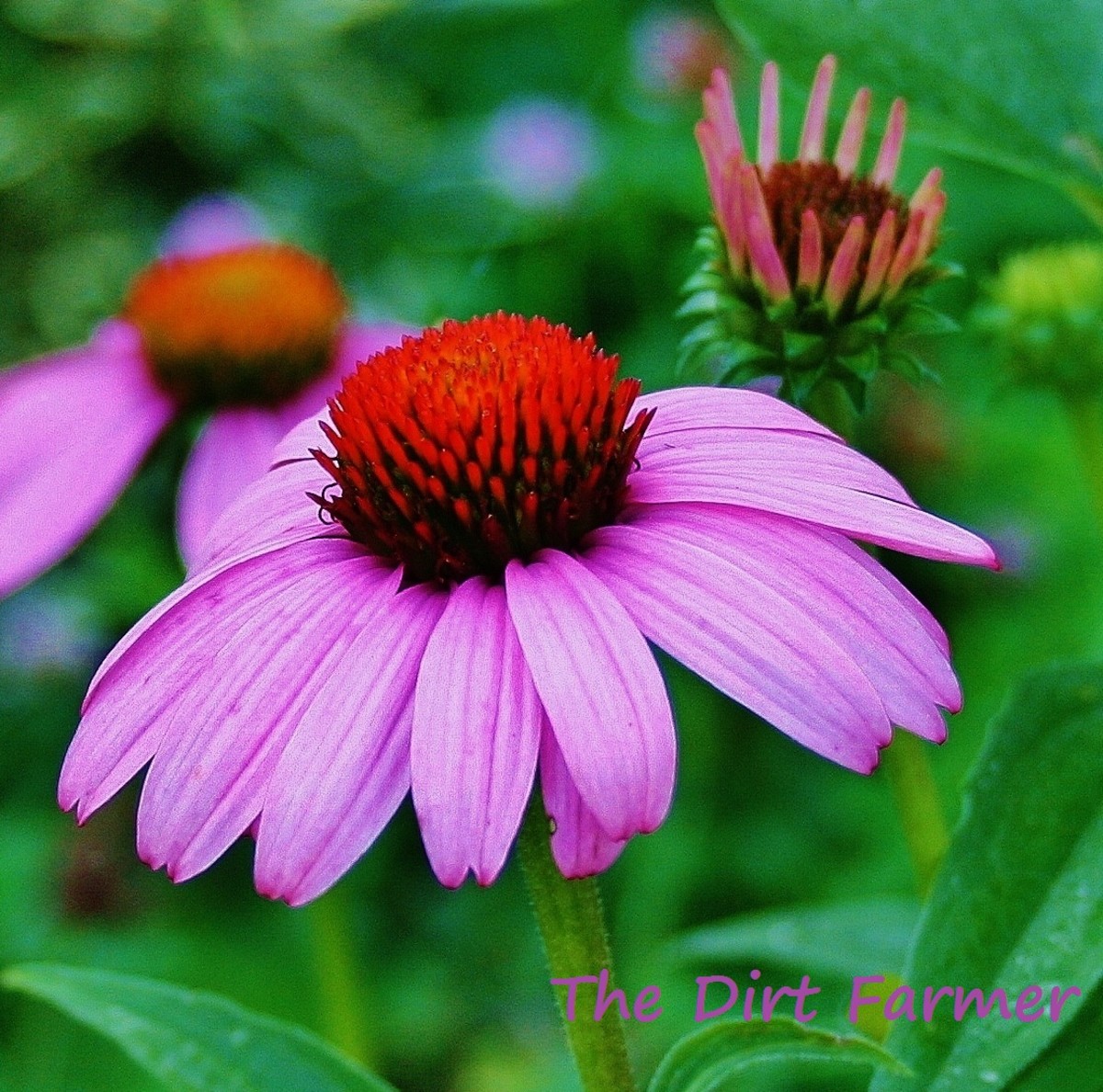
Some of the newest varieties are hybrid crosses between two different coneflower species. With these makeovers, Echinacea has morphed into a rock star in the garden. With the addition of so many new Echinacea forms, it is possible to design an entire landscape centered on this flower.
Do coneflowers need sun or shade?
To get the most blooms (and the sturdiest plants), plant your purple coneflowers in a spot that gets at least six to eight hours of full sunlight each day. The plants will tolerate partial shade, but may eventually flop over, and the blooms won't be as prolific. Hardy in a wide range of climates, coneflowers are perennials in USDA growing zones 3 to 10. Plant them in a sunny spot and deadhead them throughout the growing season to encourage successive waves of blooms. To see more ideas about how to use coneflowers in a landscape, see 10 Ideas to Steal from Prairie-Style Gardens.
Modern landscape - wood fence. wood steps, wood deck
5 plants can make a garden, and area experts tell how - archive.jsonline.com
5 plants can make a garden, and area experts tell how.
Posted: Thu, 20 Aug 2015 07:00:00 GMT [source]
Find plants you love and create idea boards for all your projects. Ideas to update and improve your outdoor space with hardscaping elements. Here are some supplies and tools we find essential in our everyday work in the garden. We may receive a commission from sales referred by our links; however, we have carefully selected these products for their usefulness and quality.

Planting Coneflower by Seed
There’s a coneflower for every garden, including bright single flowers and double blossoms, and colors from orange and yellow to red and deep pink. Coneflowers bloom from summer to fall and they shine in a variety of garden settings. To care for your coneflowers, you can remove spent blooms to encourage a second round of blooms. In the fall, you have the option to cut back the plants or leave the seed heads on for winter interest and as a food source for birds. Overall, they are low-maintenance perennials that add color and beauty to any garden setting. Native to eastern North America, they are hardy, drought-tolerant, long-blooming, and cultivated in an ever-widening range of colors.
A serious disease that affects coneflower and other plants in the aster family is aster yellows, a plant virus carried by thrips. These pesky little bugs feed on pollen, as well as plant juices, by scraping the plant tissue and drinking the sap. As these bugs fly around and feed, they transmit the virus from plant to plant. Symptoms will be visible on new buds and open flowers that will show erratic, contorted growth. If you see this on your plant, there is no cure except to dig up the plant and properly dispose of it before the disease is transmitted to any other plants.
Coneflower Growing Guide
Russian Sage (Perovskia atriplicifolia) stands out with its tall, misty spires of lavender-blue blooms and contrasting silvery leaves, offering a dreamy, wispy allure. When planted alongside Coneflowers, there’s a delightful interplay of textures and colors. The robust, daisy-like petals of Coneflowers beautifully juxtapose the subtle and feathery presence of Russian Sage. This pairing, besides being a visual treat, is also ecologically beneficial, beckoning a variety of pollinators to the garden, thus enhancing its vibrancy and ecological richness.
Why every garden should have coneflowers
Other pollinators, such as honeybees and hummingbirds will visit Echinacea too. A well-thought-out garden layout enhances the visual impact of your coneflower garden. Begin by planning the arrangement of your coneflowers, taking into account factors such as height, color, and blooming seasons.
Plant them in an area that receives full sun and has good drainage. Some varieties will start flowering earlier, while others may produce flowers into fall. Learn more, along with timely planting advice, garden design inspiration, tips and more in our weekly newsletter. Part of the Dream series from Terra Nova Nurseries in 2009, this coneflower holds its color for an exceptionally long time. Others in the series are ‘Glowing Dream’ (watermelon-coral), ‘Amazing Dream’ (deep-pink) and midsize ‘Daydream’ (yellow). Maintaining a thriving coneflower garden involves vigilance against common pests and diseases.
Take a look at our tips below to get the most out of your coneflowers. To ensure healthy cone flower plants, make sure they are planted in average, well-drained soil. By following these care tips and providing adequate water, your coneflowers will reward you with beautiful blooms throughout the growing season.
Moreover, Sedum’s vibrant and showy flowers add a pop of color to the garden, complementing the Coneflowers’ blooms. Another great benefit of planting Sedum alongside Coneflowers is that it attracts pollinators, particularly bees. To start a specific coneflower variety from seed, either collect seeds from a species (not a cutivar or hybrid), or purchase seeds from a nursery.
Coneflowers grow best in a garden that boasts a neutral soil pH of about 6.5 to 7.0. They can thrive in a variety of soil types, including sandy, rocky, and clay soils. For best results, add a bit of compost to your mixture when planting to give your coneflowers successful a good start. Summersong™ Firefinch™ (Echinacea hybrid) has variable flowers ranging from reddish-orange to pinkish-red for a captivating effect in the landscape.
By incorporating these companion plants into your garden design, you can create a dynamic and eye-catching display. The combination of coneflowers with lambs-ears and globe thistle creates an interesting visual texture while also attracting butterflies and bees. Lambs-ears, globe thistle, and other companion plants provide a vibrant and visually interesting backdrop for your coneflowers.
Participants learn how right plant right place principles provide the foundation for a healthy and attractive garden design. Although the plant can tolerate some shade, coneflower should generally be planted in an area that receives at least 6 hours of full sunlight a day. The hardy plant is easy to maintain, but you'll need to ensure you're fulfilling its basic care requirements in order to have healthy blooms that return each spring.
Planting coneflowers in clusters or drifts will also attract butterflies to your garden. To get the best results from your coneflowers, you should add a bit of fertilizer during later winter or early spring. "I like to top dress the soil around the plant with a good two inches of compost," says Christina Matthews, urban flower farmer-florist and owner of The Flower Lady. "I find that in my gardens the compost is all they need in order for the plant to provide me with an endless amount of summer blooms."