Table Of Content

This Echinacea purpurea ‘PowWow Wild Berry’ is known for its vibrant rose-purple petals and relatively shorter Coneflower, and it has an extended blooming period. What coneflower needs the most is sun so pick a location where it gets plenty. In terms of soil, coneflower is undemanding as long as there is good drainage, and the pH is in the neutral range. Somewhat shorter than the pink versions with a honey fragrance and reflexed white petals. For her course project, Master Gardener volunteer Beth Ricciardi used overlays to sketch out plantings that straddle an asphalt driveway at the Science Museum of Long Island. She made this detailed sketch of perennial locations on one side of the driveway.
Planting, Care & Design of Coneflowers
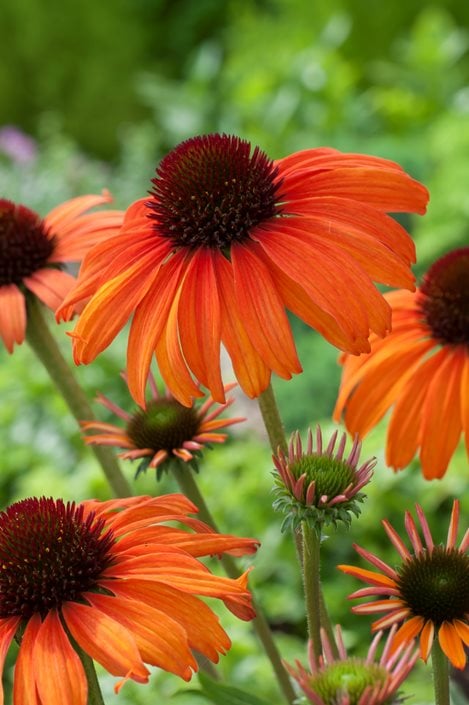
With a long bloom time and adaptability to different soils, there are many ways to use coneflower in virtually any garden. Coneflower is an easy-to-grow perennial with long-lasting daisy-like flowers that attract beneficial pollinators and songbirds. Sometimes you may see dark spotting on the leaves — this is usually a bacterial or fungal condition caused by humidity and moisture. It may cause plants to drop leaves and look a little rough, but it doesn’t hurt anything.
7 plants that thrive in a drought-resistant California garden - Stockton Record
7 plants that thrive in a drought-resistant California garden.
Posted: Thu, 06 Jul 2023 07:00:00 GMT [source]
Understanding Soilless Potting Mix and Its Application in Gardening
You can plant a single color in groups or mix different colors. Or you can interplant it with ornamental grasses or other perennials between the groups of different colors of coneflowers. Just keep in mind that whatever you plant should not be so tall as to deprive the coneflowers of sunlight.
Assessing the Space
Plant them in an area that receives at least six to eight hours of sunlight per day to ensure optimal growth and blooming. To attract more butterflies and other pollinators to your outdoor space, incorporate coneflowers into your landscape and provide them with a pollinator-friendly environment. As long as the plants are given plenty of room for good air circulation, they should not be bothered by fungal diseases.
Cottage Gardens: Favorite Flowers, with Grace Alexander's Seeds
Get tips for making your yard a private paradise from two hardcore gardeners who turned their corner landscape into a secluded retreat.
Create a lush island butterfly garden bed of flowers that will bring beautiful fluttering insects to your garden. We’re a design practice at the nexus of strategy, experience, architecture, engineering and social impact. We imagine, create and implement solutions that advance human vitality, further equity, optimize business and protect our planet all at once.
How to Grow Purple Coneflower
The process will also help prevent an overabundance of self-seeding from the plant. As a native prairie plant, purple coneflower thrives in hot, dry climates but can handle a range of temperature and humidity fluctuations. However, they do not do as well in very humid climates, or in rainy areas where the soil stays wet. Coneflowers benefit from division every 3 to 4 years to rejuvenate the plant and maintain healthy growth. The best time to divide them is in early spring or early fall. To divide, dig up the plant, separate the root clumps, and replant them with proper spacing in well-prepared soil.

How Do I Prevent Powdery Mildew on My Coneflowers?
"With voles, mix pea gravel, such as PermaTil, into the hole to prevent them from eating the roots." Never miss a fabulous garden or ideas on how to design your own. Space plants 1 to 3 feet apart, depending on the mature size of the variety. Large flowers that are 4 to 5 inches across have a rose-like fragrance. Part of the Big Sky series developed by Richard Saul of Itsaul Plants.
Chelsea Flower Show 2021: A Master Class in Autumn Color
Place taller varieties towards the back to create a layered effect, allowing each flower to shine. Intersperse with lower-growing varieties for a balanced and harmonious composition. When designing your coneflower garden, don’t be afraid to mix different flower forms and colors for added visual interest. Create a pollinator-friendly space by incorporating them into your landscape design. Additionally, consider the height and spread of different varieties to ensure a balanced planting arrangement.
If you see mildew or spots on the leaves, simply cut them back and let them fill in on their own. A few pests enjoy coneflowers, so keep an eye out for Japanese beetles, aphids and leafhoppers. Coneflowers are often listed as drought-tolerant plants, but they will actually do much better with fairly regular watering. Water them daily just after planting, then transition to an inch of water per week for the rest of the plant's first year of life.
Complement your coneflowers with strategically chosen companion plants to enhance the visual appeal of your garden. Consider planting lavender, salvia, or coreopsis alongside coneflowers for a harmonious blend of colors, textures, and fragrances. Companion planting not only adds aesthetic value but can also benefit the overall health of your garden ecosystem. Coneflowers are sun-loving plants that thrive in full sunlight. Choose a location for your garden that receives at least 6-8 hours of direct sunlight daily. Adequate sunlight exposure not only ensures prolific blooming but also contributes to the overall vitality of your coneflower garden.
Participants are expected to keep up with the weekly assignments and activities as they purposely build on and refer to previous lessons. Assigned lessons with readings and exercises are required, with participation in online discussions, hands-on activities, and submission of design work and reflective journals. Most students spend approximately hours each week with the content, however more time may be needed to explore additional resources added each week. Despite how hardy they are, there are a few common issues you'll run into when growing and caring for coneflower. If you're looking to bring cheerful texture and helpful critters to your garden, coneflower is a must-plant perennial. Combine coneflower alongside other plants with similar cultural needs of full sun and good drainage.
Avoid overhead watering and remove any infected leaves promptly. Lambs-ears, with their soft and fuzzy leaves, create a lovely contrast against the spiky petals of the coneflower. Globe thistle, on the other hand, adds a touch of elegance with its round blue flowers that stand tall next to them. Do you want to enhance the beauty and wildlife of your garden?
If you want to enjoy butterflies and songbirds in your garden plant coneflowers. For weeks, even months, during the summer and fall the blooms and seed heads will attract a multitude of winged beauties. Each composite flower (actually a compact arrangement of ray and disk flowers) offers up a fully loaded buffet table for butterflies.
Plus, plants are more susceptible to foliar diseases, such as powdery mildew, when planted in the shade. On first viewing a photo of this plant found by avid gardener Mark Veeder, Tony Avent of Plant Delights Nursery thought it was Photoshopped. Each recurving rose-pink ray petal is tipped with lime green, taking bicolor to the next level. Unusual cones are deep green with hints of brown, lime green and purple. Part of the Prairie Pillars collection, with long sturdy stems perfect for cut flowers, its bright yellow rays mellow as they age. Others in the collection are red-flowered ‘Hot Lava’ and orange ‘Tiki Torch’.
But the plant will establish healthier roots if it’s not putting energy into flowers the first year. Plants in quart- or gallon-size containers won’t need this if their root systems have had a chance to grow to fill the pot. But if you’re working with plants in small, 4- or 6-in.-wide pots, it’s best to either pinch the blooms off or cut the entire bloom stalk back, as in the photo at above. All coneflowers can become dense and root-bound over time, causing blooms to become sparse.


No comments:
Post a Comment